Showing posts with label ChatGPT. Show all posts

Monday, 24 February 2025

Reflections on Faculty Development Program (FDP) on Research and Writing with AI Assistance

This blog reflects on the One-Week Free Online Faculty Development Program (FDP) on Research and Writing with AI Assistance organized by the Institute of Public Enterprise (IPE), Hyderabad – India’s Premier Business School.


In this blog, I share my key takeaways and insights from the five-day FDP.

Day-1 Idea Generation and Sourcing Literature
Resource person: Dr. Rama Krishna Yelamanchili

In this session, the resource person provided a hands-on demonstration of various AI tools for research and literature review. He practically showcased how these tools can be used to generate research ideas, build literature maps, and manage references. Additionally, he introduced ChatGPT-based tools like Innovative Research Idea Generator, Paper Wizard, Brain Wave, and EduInnovate, which assist in brainstorming research topics and academic writing.

Essential Elements of a Research Paper
  • Novel Topic: Choose a unique and relevant research topic.
  • Strong Theoretical Framework: Establish a solid foundation with existing theories.
  • Extensive Literature Review: Conduct a thorough review to understand research gaps.
  • Meticulous Methodology: Ensure precise and well-structured research methods.
  • In-depth Analysis: Provide comprehensive and critical data interpretation.
  • Robust Results: Present well-supported and credible findings.
Convincing Conclusion: Summarize key insights effectively.
  • How to Pick a Research Topic
  • Observe real-world events and trends.
  • Draw inspiration from your teaching subjects.
  • Engage in discussions with peers.
  • Explore research journals in your field.
  • Conduct an extensive literature review.
AI Tools for Research and Literature Review
Idea Generation:
  • PaperGuide.ai
  • Editpad
  • AppyPie
Literature Mapping & Connections:
  • Citrus Search
  • ResearchRabbit
  • Inciteful
  • Litmaps
  • Connected Papers
Reference Management:
  • Hypothesis Maker
  • Zotero
  • Bibliography (Zbib)
This session has significantly enhanced my understanding of AI-assisted research and writing. The practical exposure to these tools will streamline my research process, improve idea generation, and enhance the depth and efficiency of my literature review and academic writing.

Day-2 Literature Review with AI Assistance
Resource person: Dr. Kalyani

Conceptual Base of Literature Review
  • A literature review is not just a summary but a critical analysis of existing research.
  • It connects past studies with your research objectives, identifying trends and gaps.
  • A strong conceptual foundation ensures a well-structured and meaningful review.
How to Write a Literature Review
  • Begin with a clear objective and research question.
  • Identify relevant sources and critically analyze them.
  • Organize the review systematically using a structured approach.
Approaches to Writing a Literature Review
  • Chronological Approach – Organizes studies based on publication years.
  • Reverse Chronological Approach – Begins with the latest research and moves backward.
  • Thematic Approach – Groups studies by themes or topics.
  • Methodological Approach – Categorizes research based on methods used.
  • Conceptual Framework Approach – Focuses on theoretical concepts and models.
Structure of a Literature Review
  • Introduction: Defines the research scope, importance, and key themes.
  • Body: Uses various approaches (thematic, chronological, etc.) to analyze research.
  • Conclusion: Identifies research gaps and highlights future research directions.
  • Use of AI in Literature Review AI tools assist in searching, summarizing, and structuring research papers.
  • Despite AI’s help, reading a few key papers thoroughly is crucial for understanding theories.
  • Demonstrated various AI tools for literature review (as listed in the session).
  • New Tool: Lateral.ai – Helps organize and create an LR table for better structuring.

SMART Framework for Literature Review
S – Search: Identify relevant literature using databases and AI tools.
M – Map: Organize and categorize studies based on themes and approaches.
A – Analyze: Critically evaluate research findings, methodologies, and arguments.
R – Refine: Identify gaps, inconsistencies, and missing links.
T – Transform & Rewrite: Synthesize information to align with your research objectives.


Day-3 Research Design with AI tools
Resource person: Dr. Rama Krishna Yelamanchili

The session covered different types of research designs and methods, emphasizing their role in structuring a study. It introduced Mono-method (using a single approach) and Mixed-method research (combining qualitative and quantitative approaches). The book recommended for Mixed-method research was Research Design: Qualitative, Quantitative, and Mixed Methods Approaches by John W. Creswell.

A key takeaway was that methodology is the heart of research, as it ensures rigor and validity in findings. The session also highlighted the use of AI tools like ChatGPT to generate research paper titles and refine research approaches. 

Some AI tools suggested for research support include: 
Prompt Diary – For tracking research-related AI prompts.
CPT Explore - Mentor for Research – A guided research assistant.
Design Academic Guide – For structuring research work.
Research Method Advisor – Providing insights into research methodologies.
Research and Methodology Assistant – Offering assistance in refining research techniques.

Day-4 Data Interpretation and Analysis with AI Tools
Resource person: Dr. Rama Krishna Yelamanchili

1. Scales of Measurement
  • Understanding data begins with knowing its measurement scale:Nominal: Categorical data without order (e.g., Gender, Colors).
  • Ordinal: Ordered categories but without equal differences (e.g., Rankings, Satisfaction Levels).
  • Interval: Numeric data with equal differences but no true zero (e.g., Temperature in Celsius).
  • Ratio: Numeric data with a true zero, allowing meaningful ratios (e.g., Weight, Height).

2. Using Statskingdom for Descriptive Analysis Upload data to Statskingdom.com to perform descriptive analysis (mean, median, standard deviation, frequency distribution).
Obtain summary statistics to understand central tendencies and variability.

3. GPT for Data Refinement & InterpretationRevise the output from Statskingdom and re-upload structured data to GPT for further analysis and interpretation.
Utilize GPT-Data Analysis and Report AI to generate insights, trends, and reports.
Explore Advanced Data Analysis in GPT for deeper statistical modeling, correlation, and forecasting.

4. Key TakeawaysStatskingdom helps with fundamental descriptive statistics.
GPT tools enhance interpretation and provide a refined, structured data-driven narrative.
Advanced Data Analysis in GPT assists with deeper insights, trend recognition, and comprehensive reporting.

Day- 5 Finalizing the manuscript with AI Assistance
Resource person: Dr. Swati Mathur

Choosing the Right Journal
  • Select a target journal based on Q1-Q4 or ABCD ranking.
  • Ensure citations come from journals of the same level for credibility.

Discussion & Conclusion Section
AI can assist with idea formation, but direct AI-generated content should not be used.
The session covered structure, content, and best practices for writing a strong discussion.

AI Tools Explored
ChatGPT, Jenni.ai for idea generation.
Writefull.com (Word plugin) for paraphrasing AI-generated text.
Thrix.ai to check references (free once a day).

Manuscript Proofreading & Readability
Sentence-by-sentence proofreading is essential.
Introduction to Flesch–Kincaid readability tests for clarity improvement.
AI-assisted abstract writing based on the discussion and conclusion section.

Writing Style Guidelines
Emphasis on passive voice usage in academic writing.
Prompt directory creation for AI-driven writing support.


Thank you for reading. I hope my reflection was helpful to you as well.

Wednesday, 15 February 2023

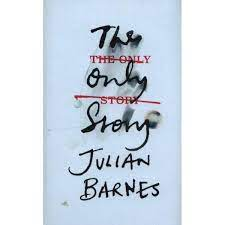
The Only Story- Julian Barnes (Worksheet 3)

Hello! Welcome to my blog where I will be sharing my experience solving worksheets assigned by Dr. Dilip Barad. In this blog post, I will discuss the various worksheets that were assigned to us in class and how I used ChatGPT to solve them.

THE ONLY STORY
Julian Barnes


WORKSHEET 3

1. Analyze the context of the following quote: "Why do you cheat at crosswords?"

a. Who is the speaker and to whom is this question addressed? Paul to Joan

b. What is the response given by the recipient? (Using ChatGPT- by giving it a textual paragraph)
Paul asked Joan why she cheats at crosswords, to which Joan replied that she has come to the realization that nothing in life matters, including cheating in crosswords. She stated that she has already experienced a version of hell, so filling in incorrect answers in a crossword wouldn't make a difference. However, Paul pointed out that the answers are readily available in the back of the book.

c. Is the reference to "cheating at crosswords" repeated in the novel? Twice

d. What inferences can be drawn from this reference? (Using ChatGPT)
The reference to crosswords in Julian Barnes's "The Only Story" can be interpreted in a few different ways. It can be seen as a symbol of the character's state of mind and their approach to life. Joan's attitude towards crosswords reflects her belief that nothing in life matters, and that she has lost a sense of purpose or meaning. By cheating at crosswords, she may be expressing her disregard for rules and conventions.
At the same time, crosswords can also be seen as a form of escapism for Joan, a way to distract herself from the reality of her life and the emotions she is feeling.

In addition, the crossword puzzle serves as a reminder of the disconnect between the characters and the world around them. Joan and Paul are both agings, and as they reflect on their lives, they may be struggling to find a sense of purpose or fulfillment. The crossword can be seen as a symbol of the gap between the world they inhabit and the world they once imagined for themselves.

Ultimately, the reference to crosswords in "The Only Story" provides insight into the characters' emotional state and the themes of the novel, including aging, loss, and the search for meaning.

2. Investigate the symbolic significance of ‘crosswords’ in the novel "The Only Story." (Using ChatGPT)
In Julian Barnes' novel "The Only Story," crosswords play a symbolic role in the relationship between the protagonist, Paul, and his partner, Susan. Crosswords serve as a representation of the connection and communication between the two characters.

Throughout the novel, Paul and Susan bond over their shared love of solving crosswords together. This shared activity becomes a symbol of their intellectual and emotional connection, as well as a way for them to spend time together and communicate in a unique way.

However, as their relationship progresses, crosswords also become a symbol of their growing disconnection. As Paul and Susan face challenges in their relationship, they struggle to solve crosswords together, and their ability to communicate and understand each other is diminished.

In this way, crosswords serve as a metaphor for the ups and downs of a relationship, and how communication and understanding can strengthen or break a connection. The symbolic significance of crosswords in "The Only Story" highlights the importance of communication in relationships and the ways in which it can deepen or erode a bond.

Answer after referring-
  • The desire to make the chaos of the universe comprehensible through crosswords.
  • A means of avoiding questions about love, which is deemed important in life.
  • The belief that everything in life can be solved.
  • The belief is that solving something once gives assurance of maturity and wisdom.
  • The false confirmation of intelligence through the ludic activity of crosswords.
  • The hope is that crosswords can keep existential pain at bay.
  • The hope is that crosswords can distract from the boredom of life.
3. Analyze the following quote in the context of the novel: "The point of the story is 'safe and capable.'"

a. Identify the speaker and the person to whom the quote is addressed. Susan to Paul

b. Describe the significance of this quote within the context of the story. (Using ChatGPT- After giving textual reference)
The quote "The point of the story is 'safe and capable'" refers to the idea that Jack, the father of E.P., trusted and had faith in Susan to take care of his son after he was gone. This trust was based on the belief that Susan was safe and capable of handling the challenges that might come her way. Jack expressed this sentiment to Susan on his deathbed, just before he passed away, after being given enough morphine to put him to sleep.

In this context, the phrase "safe and capable" refers to the idea of being secure and competent, both emotionally and practically. Jack's words indicate that he saw Susan as being emotionally stable and capable of handling difficult situations, including the challenges of being with someone like Gordon (E.P.).

The phrase is meant to be a central theme in the story, emphasizing the importance of trust, faith, and confidence in relationships. It highlights the idea that when people believe in one another, they can overcome obstacles and be there for one another, even in times of need.

In conclusion, the phrase "The point of the story is 'safe and capable'" is a reminder of the power of trust and confidence in relationships, and it underscores the idea that love and connection can be a source of strength and resilience, even in the face of adversity.

Self-written
Safe and capable- the idea of being secure and competent both emotionally stable and capable of handling difficult situations. The idea is that when people believe in one another, they can overcome obstacles and be there for one another, even in times of need.

Correct answer
This line conveys that Susan will never leave Gordon Macleod, as Jack has described her as a safe and capable partner for him, highlighting the positive aspects of Susan's character. However, we may also infer that Susan's commitment to Gordon reflects her desire to avoid potential conflicts and challenges that might arise in a less stable relationship, suggesting a tendency towards escapism.

Evaluate the use of the phrase "moviemaker's bromide" in the novel "The Only Story."
a. How many times is the phrase used in the novel? twice

b. What is the situation when this phrase appears in the novel?
Paul has visited the mental health department of a local hospital. This phrase appears when Pau is reflecting on his emotions when is met Susan the last time before she died and wonders if he should kiss Susan goodbye or uncover her elegant ears covered with ears.

c. What does it signify within the context of the story? (Using ChatGPT- after giving textual reference)

The passage describes a man who is visiting a woman, Susan, who is in a hospital bed. The man is feeling conflicted and uncertain about what he should do and how he should react to her current state. He reaches out to touch her hair but then pulls back his hand, unsure of his motivations. He reflects on his feelings towards death, redemption, and closure, and concludes that he does not believe in the comforting narratives that some people find necessary.

The man also wonders if he should kiss Susan goodbye, but he recognizes that this would be a cliche borrowed from a movie. He imagines a scene in which Susan stirs slightly in response to his kiss and offers a faint smile. However, he knows that in reality, this is not likely to happen and he is left with the reality of her current condition. The man's inner thoughts highlight his struggles with sentimentality and the temptation to romanticize the situation, which he resists as he sees it as artificial and unrealistic.

In conclusion, the passage portrays the man's struggle with his emotions as he grapples with the reality of the situation and the expectations placed on him. Through his reflections on death, redemption, and closure, the author highlights the theme of the limitations of language and the difficulties in finding comfort in difficult moments.

I hope it's useful. Thanks for visiting. 

The Only Story- Julian Barnes (Worksheet 2)

Hello! Welcome to my blog where I will be sharing my experience solving worksheets assigned by Dr. Dilip Barad. In this blog post, I will discuss the various worksheets that were assigned to us in class and how I used ChatGPT to solve them.

THE ONLY STORY
Julian Barnes


WORKSHEET 2

Explain the quotation from Julain Barnes’s novel ‘The Only Story. (Using ChatGPT)

“Would you rather love the more, and suffer the more; or 
love the less, and suffer the less? That is, I think, finally, 
the only real question. You may point out – correctly – 
that it isn’t a real question. Because we don’t have a 
choice. If we had the choice, then there would be a 
question. But we don’t, so there isn’t. Who can control
how much they love? If you can control it, then it isn’t 
love. I don’t know what you call it instead, but it isn’t love.”

The quotation from Julian Barnes's novel The Only Story is a reflection on the nature of love and the unavoidable connection between love and suffering. The speaker presents a supposed choice between two alternatives: either loving deeply and experiencing intense suffering or loving less and experiencing less suffering. This framing of the situation is meant to suggest that there is a trade-off between the intensity of love and the amount of suffering one experiences.

However, the speaker then goes on to argue that this supposed choice is not a real one. The reason for this is that one cannot control the amount of love they feel, and therefore the amount of suffering they will experience as a result. If love could be controlled or regulated, then it wouldn't truly be love at all. The speaker notes that there may be a different word to describe a controlled or regulated emotion, but it wouldn't be love.

In this way, the speaker is making the point that love is a complex and often unpredictable force, one that cannot be controlled or regulated. The connection between love and suffering is a fundamental aspect of the experience of love, and it is an inescapable part of the human condition. The speaker is suggesting that, ultimately, the only real question is not whether to love more or less but to simply accept the inevitable connection between love and suffering and embrace it for what it is.

Who is Uncle Humphrey? How / why is this minor character significant in the novel? (Using ChatGPT)
Uncle Humphrey is a minor character in Julian Barnes's novel The Only Story. From the passage you provided, it can be inferred that Uncle Humphrey is a relative of the narrator, who is depicted as abusive and sexually assaulting the narrator during her childhood. The significance of Uncle Humphrey in the novel is that he serves as a representation of the harm and trauma that can be inflicted by those in positions of power and trust.

Through the portrayal of Uncle Humphrey's actions, the novel highlights the devastating impact of sexual abuse and its long-lasting effects on the victim. The speaker's wish that she had bitten his tongue off is a powerful expression of the anger and frustration she feels as a result of the abuse. Uncle Humphrey's actions are depicted as reprehensible and are symbolic of the wider societal issues surrounding sexual violence and abuse.

In this sense, Uncle Humphrey serves as a reminder of the devastating impact that abusive individuals can have on the lives of their victims. Through the character of Uncle Humphrey, the novel highlights the importance of acknowledging and addressing the harm caused by those in positions of power and the need for greater accountability and justice for victims of abuse.

While applying Gerard Genet’s tool of ‘Duration’ in narratology, how can we explain the narrative time and discourse time in Julian Barnes’s ‘The Only Story’? (Using ChatGPT)
In narratology, Gerard Genette's tool of 'Duration' is used to explain the relationship between narrative time and discourse time. In Julian Barnes's novel "The Only Story," the narrative time refers to the time elapsed in the story world, while the discourse time refers to the time it takes for the events of the story to be related to the reader.

For example, in "The Only Story," the narrative time covers several decades, but the discourse time may be compressed to a single moment in which the protagonist recounts the events to the reader. This compression of discourse time can create a sense of immediacy and can affect the reader's experience of the story.

In summary, the concept of Duration in narratology helps to analyze the relationship between the time in which the events of a story occur (narrative time) and the time it takes to narrate those events (discourse time) in Julian Barnes's "The Only Story."

Answer: Discourse time 19/ 20 years of age to 69/ 70 years of age
Narrative time is not specified

Write a brief note on the narrative pattern with its thematic & postmodernist significance.

(Using ChatGPT)
The narrative pattern of "The Only Story" by Julian Barnes is non-linear, with the narrator reflecting on his past experiences from old age. The book explores themes of love, loss, the passage of time, and the limitations of memory. The thematic significance of the book is the portrayal of a universal human experience of the fragility of youth, love, and the inevitability of aging and death.

From a postmodernist perspective, the non-linear structure of the narrative challenges the conventional notions of chronology and linearity. The fragmented and fragmented narrative style emphasizes the unreliability of memory, and the subjectivity of the narrator's perspective, emphasizing the idea that all narratives are subjective constructs. The themes of love and loss are explored from a postmodernist perspective that questions the stability and reliability of human emotions, and the idea that truth is often elusive and subjective.

In "The Only Story" by Julian Barnes, the narrative time follows Gerard Genette's concept of "analepsis" or flashbacks, as the narrator reflects on his past experiences and memories. The story moves back and forth in time, switching between the narrator's present and past experiences, providing insights into the events that shaped his life. This technique adds depth to the narrative and creates a sense of nostalgia and regret. Overall, the narrative time in "The Only Story" exemplifies Genette's idea of a complex, layered structure that interweaves the past and present to create a rich, multi-faceted tale.

Self-written

Sr. No

Significant Point in Narrative Pattern

Thematic & Postmodernist Significance

1

Along classical line

Use of the classical definition of the novel from Johnson’s definition; small and of love; address to the reader. 

2

Retrospective

Woven into wrap and weft; story women in the weft

3

Unreliable narrator

Conversational side; doubt in habit of writing a diary; incomplete stories e.g.: the case of eric. 

4

Drifting narration

Change in point of view/ narration; drifting away from love; shattering self-reliance. 


Is Julian Barnes’s ‘The Only Story’ more on suffering than on love? Explain with the help of the Greek etymological meaning of ‘passion’ which means ‘suffering’.
(Using ChatGPT)
"The Only Story" by Julian Barnes is a novel that explores the themes of love and suffering, but it could be argued that suffering is more prominent in the narrative. The Greek word "pathos" (πάθος), from which "passion" is derived, does indeed mean suffering. This is because the ancient Greeks believed that strong emotions, especially those associated with love, could lead to great suffering.

In "The Only Story," the narrator Paul reflects on his life and his love affair with an older woman, Susan, who is also married. The relationship is tumultuous and filled with difficulties, including societal disapproval, Susan's health problems, and the eventual breakdown of their love. Throughout the novel, Paul grapples with the pain and heartache of their relationship, which can be seen as a representation of the suffering that often accompanies passionate love.

However, it is important to note that the novel also explores the positive aspects of love, such as happiness and connection, and the idea that even though love can cause suffering, it is still worth pursuing. Ultimately, "The Only Story" presents a nuanced and complex view of love and suffering, and the relationship between the two.

Self-written
Patior (Latin etymology)= passion. Passionate attraction towards Susan Macleod turns into suffering. The understanding of love at age 19 to 70 changes, it's not fantasies and cinema; it comes with duty and responsibilities and more understanding.

How would you prove that Julian Barnes’s ‘The Only Story’ is a memory novel?
To prove that Julian Barnes's "The Only Story" is a memory novel, one could examine the narrative structure and themes present in the book.
First, the novel is structured as a series of memories, with the narrator reflecting on events from his past. The story jumps back and forth in time, showing how the narrator's memories have evolved over the years.
Second, the theme of memory and its fallibility is a central concern of the novel. The narrator grapples with how his experiences and perspectives have changed over time, and how his memories may have become distorted or altered.
Additionally, the novel also explores the idea that memories shape our identity and that they can both preserve and erase our experiences. These themes and elements all contribute to the argument that "The Only Story" is a memory novel.

Self-written

Sr. no

Imp point in the trajectory

Illustrations from the novel

1

Memory as personal history

Diary and various episodes from the novel e.g. Eric, Max Verstappen

2

Trauma is memory

The trauma of Susan with Humphrey unce; Trauma of unknown in the bar (his love left him)

3

Memory and morality

Paul’s friend Eric was beaten in four and Paul ran away with the excuse

4

Memory prioritizes 

We remember the happy and pastime things more and of self-interest. Paul failing and coming out of love. 


How do you explain ‘rescue fantasy’? [Browse the novel with this keyword. Read and explain] (Using ChatGPT)
Rescue fantasy refers to a recurring daydream or fantasy scenario where a person imagines being saved or rescued from a difficult or dangerous situation by a strong, powerful, or heroic figure. This type of fantasy often provides a sense of comfort and security, as it allows the person to imagine a solution to their problems and a way out of difficult circumstances. It can also tap into deeper emotional needs and desires for protection, love, and support.
A rescue fantasy is a recurring daydream or fantasy scenario where a person imagines being saved from a difficult situation by a strong, powerful, or heroic figure.

"The Only Story" by Julian Barnes is a novel that explores themes of love, aging, and the passage of time. The concept of "rescue fantasy" is not explicitly referred to in the book. However, the main character, Paul, is depicted as having feelings of loneliness and isolation, and he finds solace in a romantic relationship with an older woman, Susan. This relationship could be seen as a form of "rescue" for Paul, in which he finds comfort and companionship in the face of his own emotional struggles.

Self-written
Paul thought that at 19, Susan was like a Rescue fantasy to him but it was the contrary case. Daydream or fantasy scenario where a person imagines being saved from a difficult situation by a strong, powerful, or heroic figure.

I hope it's useful. Thanks for visiting. 

The Only Story- Julian Barnes (Worksheet 1)

Hello! Welcome to my blog where I will be sharing my experience solving worksheets assigned by Dr. Dilip Barad. In this blog post, I will discuss the various worksheets that were assigned to us in class and how I used ChatGPT to solve them.

THE ONLY STORY
Julian Barnes


WORKSHEET 1

Brief Summary of Julian Barnes ‘The Only Story’. (Using ChatGPT)
"The Only Story" by Julian Barnes is a novel about the relationship between an older man and a younger woman. The story takes place in England during the 1960s and 1970s and explores themes of love, loneliness, and regret. The narrator reflects on his past experiences as he recounts his love affair with a woman named Susan and the events that shaped their relationship. Through the story, Barnes examines the complexities of love and the impact it can have on a person's life.

Character Analysis (Using ChatGPT
"The Only Story" by Julian Barnes features two main characters: the narrator and Susan.

The narrator is an older man who looks back on his life and recounts his love affair with Susan. He is depicted as a melancholic, introspective character who is haunted by memories of his past and regret over the choices he made. Throughout the novel, he reflects on his experiences with Susan and their relationship and examines the impact it has had on his life.

Susan is a younger woman who the narrator meets and falls in love with. She is portrayed as a free-spirited and spontaneous individual, in contrast to the narrator's reserved and introspective personality. Despite their differences, the two form a close relationship, and the narrator is deeply affected by Susan's presence in his life.

Both characters are complex and multifaceted, and their relationship is central to the themes explored in the novel. Through their experiences, Barnes examines the nature of love and its impact on the lives of those involved.

Themes analysis (Using ChatGPT)
"The Only Story" by Julian Barnes is a novel that explores several major themes including:
  • Love and Romance: The novel focuses on the relationship between the protagonist and a woman much older than him, and the difficulties and challenges they face as a result.
  • Time and Aging: The novel reflects on the impact of time on love, relationships, and human life as a whole, and the inevitability of aging and its effects.
  • Regret and Loss: The protagonist reflects on his life and choices and grapples with feelings of regret and loss.
  • Class and Society: The novel touches on the social and cultural differences between the protagonist and his love interest, and the impact of their different social status on their relationship.
  • Memory and Reflection: The protagonist reflects on his life and past experiences, and grapples with the way memory shapes our perceptions and understanding of the past.
Symbolism analysis (Using ChatGPT)
The Only Story" by Julian Barnes uses symbolism to explore its central themes and add depth to its characters and their experiences. Some of the symbols used in the novel include:
  • Golf: Golf is used as a symbol for the transience of life, as well as a metaphor for the protagonist's relationship with his father.
  • The House: The house that the protagonist and his love interest live in symbolizes their relationship, and its state of repair reflects the state of their relationship.
  • Nature: The descriptions of nature, such as the changing seasons, serve as a reminder of the passage of time and the inevitability of aging.
  • Letters: The letters exchanged between the protagonist and his love interest symbolize their connection, as well as their separation.
  • Memories: The protagonist's memories serve as a symbol of the power of the past and its impact on the present, as well as a reminder of the power of nostalgia.
These symbols serve to enhance the themes of the novel and offer a deeper understanding of the characters and their experiences.

Plot analysis (Using ChatGPT)
The plot of "The Only Story" by Julian Barnes follows the protagonist's recollections of his love affair with an older woman, Susan, over the course of several decades. The novel is structured around a series of flashbacks and reflections as the protagonist reflects on his life and the choices he has made.

The plot of the novel can be divided into three key parts:
  • The Beginning: A protagonist is a young man who is introduced to Susan and they begin their relationship. This section sets the stage for the rest of the novel, establishing the characters and their relationship, as well as exploring the protagonist's motivations and desires.
  • The Middle: This section of the novel focuses on the development of the protagonist and Susan's relationship and the difficulties and challenges they face as a result. Key events in this section include the protagonist's realization of the social and cultural differences between him and Susan, as well as the impact of their relationship on their families and friends.
  • The End: This section of the novel focuses on the end of the protagonist and Susan's relationship, as well as the protagonist's reflections on his life and his feelings of regret and loss. Key events in this section include the protagonist's discovery of the letters that Susan wrote to him, as well as his ultimate realization of the transience of life and the power of memory.
Throughout the novel, key events and turning points play an important role in the development of the plot and the exploration of its themes. The relationship between the protagonist and Susan serves as the backbone of the novel, and the events of their relationship serve to highlight the novel's central themes of love, aging, and the human experience.

I hope it's useful. Thanks for visiting. 

Friday, 3 February 2023

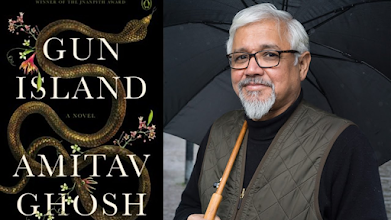
Gun Island- Amitav Ghosh

Hello! This blog is assigned by Dr. Dilip Barad sir. It deals with Amitav Ghosh’s 2019 novel Gun Island. As a task, we are assigned a few questions and from them, this blog deals with three questions.

GUN ISLAND
AMITAV GHOSH

Introduction:


Amitav Ghosh is an Indian-born, internationally acclaimed author and one of the most prominent voices in English-language fiction. He is best known for his novels, which often explore themes related to history, migration, and globalization. Ghosh's writing is characterized by its rich and evocative language, as well as its deep engagement with the cultural and political issues of our time.

"Gun Island" is a novel by Amitav Ghosh, published in 2019. The book follows the journey of Deen Datta, a rare-book dealer from Kolkata, as he travels to Venice in search of answers about a mysterious legend surrounding the goddess of snakes and firearms. Along the way, Deen encounters a diverse cast of characters who challenge his beliefs and force him to confront the impact of climate change on our world. With its rich, atmospheric writing and its powerful exploration of themes related to environmentalism, "Gun Island" is a must-read for fans of Ghosh's work and for anyone interested in the intersection of fiction and environmental activism.


How does Amitav Ghosh use the myth of Manasa Devi to create the myth of a Gun Merchant ('Bonduki Sadagar') and initiate discussion on the issue of Climate Change and Migration/Refugee crisis / Human Trafficking?

In Amitav Ghosh's novel, Gun Island, the character of Manasa Devi is first introduced through a conversation between Kanai Dutt and Deen, in which the myth of Chand Saudagar is discussed. This myth, crafted by Ghosh himself, serves as a central thread that weaves the novel's themes together. Through this myth, Ghosh draws parallels between the Little Ice Age and our present-day reality, where natural disasters such as droughts, floods, cyclones, wildfires, and epidemics have become a ubiquitous part of life. The novel posits that these unprecedented climatic conditions are the primary cause of these disasters.


Despite being intrigued by the myth of the Gun Merchant after hearing it from Kanai, Deen initially sees it as nothing more than a story, not worth his further consideration. However, while attending a conference in Los Angeles, he is moved by the speeches of a young speaker and Cinta, who suggest that there may be some truth to the myth after all. Cinta inspires Deen to visit Venice and follow the route of the Gun Merchant, in order to uncover the truth behind the myth. Through his journey, Deen unravels the suspenseful and amusing names of places, as he strives to discover whether the myth of the Gun Merchant holds any truth or not.

The theme of migration is a prevalent one in Gun Island, with various characters throughout the book having migrated for a variety of reasons. Some characters have fled due to natural calamities, while others have been forced to move as a result of communal violence or poverty. Some have migrated in search of a better life, while others have been driven by socioeconomic conditions.

Through his conversation with Horen Naskar, while visiting the shrine of the Gun Merchant, Deen is prompted to consider the reasons for the Gun Merchant's migration from Sundarbans. It becomes clear that the Gun Merchant may have been driven to leave his home by one of these very same factors that have caused other characters to migrate. The rich tapestry of characters and their motivations in Gun Island provides a nuanced exploration of the complexities of migration and underscores the idea that there is no single reason why people choose to leave their homes and start anew elsewhere.

“the disaster that had forced the Gun Merchant to flee his 
homeland: a drought so terrible that the streams, rivers 
and ponds had dried up and the stench of rotting 
fish and dead livestock had hung heavy in the air.”

The central characters are academics who have dedicated their careers to studying various forms of animal life. For instance, Piyali Roy is a researcher who has focused her efforts on the fascinating world of dolphins, while Lisa has studied the impact of climate change on bark beetles. Larry, another character, has dedicated himself to the study of spiders. Through the research of these characters, the reader is given an in-depth look into the lives of these creatures and how they are being affected by the changing climate. The novel also highlights the presence of snakes, spiders, and shipworms in Venice, offering a unique perspective on how these animals are adapting to their changing environment. These examples serve as poignant reminders of the far-reaching effects of climate change, and the importance of continued research and exploration.

“‘Larry says this is the first time he’s heard of one turning up so far north. But he’s not surprised either. He says the brown recluse has been increasing its range very quickly because it’s getting so much hotter in Europe. And there’s a related species, the Mediterranean recluse, that’s already widespread across Italy.” It gives us the effect of climate change on animals and their migration into the world."

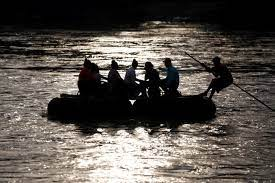
At the conclusion of the novel, Ship, Lucania embarks on a mission to protect the refugees aboard the blue boat. Unfortunately, this mission is met with opposition from right-wingers, much like the attack experienced by the Gun Merchant during his time as a slave of pirates. This parallel serves to reinforce the themes of the novel and draws connections between the past and the present. Additionally, while everyone was aboard the Lucania, a sudden change in the atmosphere occurred, a phenomenon is known as bioluminescence. This event, with its mythical connotations, seems to suggest the presence of Manasa Devi herself. This moment serves to underscore the importance of the myth and its significance within the larger context of the novel.

The novel Gun Island uses the myth of the Gun Merchant to discuss important issues of Climate Change, Migration, and Human Trafficking. The events and characters in the book serve to explore these topics, inviting readers to reflect on the impact of their actions on the world and others. The novel raises important questions and provides insightful perspectives on these issues. this brief answer provides an overview of the themes explored in the novel Gun Island, and how they are linked to the myth of the Gun Merchant. I hope that this information will prove to be useful to you as you delve into the world of the novel and its thought-provoking themes.


What are your views on the use of myth and history in the novel 'Gun Island' to draw the attention of the reader toward contemporary issues like climate change and migration?


By incorporating elements of the past and using a mythical narrative, the author creates a compelling story that connects with the reader's emotions and imagination, making the themes of the novel more impactful and memorable. Myths and legends often have a timeless quality and universal appeal, making them a powerful tool for storytelling. By incorporating elements of myth into the narrative, the author creates a memorable and emotionally engaging story that draws the reader in and encourages them to reflect on the themes of the novel. The use of history in Gun Island provides a backdrop for the contemporary issues being explored, giving the reader a deeper understanding of the causes and consequences of these challenges. This helps to make the themes of the novel more relevant and meaningful and strengthens the connection between the reader and the narrative.

The East is a tapestry of myths and legends, woven into the fabric of its people's beliefs. The inhabitants of this region have a deep and abiding connection to the divine and the mythical, with their imaginations captured by tales of gods and heroes. For them, these stories hold immense meaning and evoke powerful emotions.

When presented with contemporary issues in a straightforward, non-fictional manner, the people of the East may struggle to fully comprehend their significance. However, by wrapping these issues in the cloak of myth, the material becomes more captivating, drawing readers in and offering a fresh and insightful perspective. The infusion of myth with reality provides a deeper understanding of the subject matter and a more engaging read.

For those who seek a rational understanding of the world, a historical foundation provides a solid basis for comprehension. By examining the past and its events, we can gain a greater understanding of the present and make informed decisions for the future. The combination of myth and history is a powerful tool for exploring the complexities of our world, providing both depth and context to contemporary issues.


Generate fan literature with the help of ChatGPT (An ode on Amitav Ghosh's Gun Island)

Oh, Gun Island, a tale so rich and bold,
Of myths and legends, old and untold,
Through the pages of Amitav Ghosh,
We embark on a journey through time, full of twists and rosh.

Deen Datta, the seeker of truth,
Follows the whispers of an ancient proof,
To the city of water and love,
Where a goddess of snakes and guns, reigns from above.

Through the maze of canals,
We see the world's demise and its nightmarish thralls,
As greed and folly ravage the land,
Nature's wrath grows, a force to withstand.

Yet in Deen, we find a glimmer of hope,
As he learns the value of ancient lore,
And the power of knowledge to make right,
The wrongs of the past, and restore the light.

Oh Gun Island, your story we sing,
Of lessons learned and wisdom to bring,
For a world in peril, a call to action,
A reminder of our humanity's fraction.


Thanks for visiting. This is a brief blog, I hope it wi be helpful.
[words- 1582
Images- 3
Videos- 2]

Monday, 16 January 2023

Ministry of Utmost Happiness- Arundhati Roy [2]

Hello! This blog is assigned by Dr. Dilip barad sir. It deals with Arundhati Roy’s second novel ‘The Ministry of Utmost Happiness’. As a task, we are assigned three questions and from them, this blog deals with Characters, Narrative plot, and facts and fiction from the novel.

MINISTRY OF UTMOST HAPPINESS
Arundhati Roy

Points to ponder while writing a blog -
1) Read The Reader’s Digest Book of English Grammar and Comprehension for Very Young Children By S. Tilottama - Give answers to the questions asked regarding any three stories. Questions are given at the end of each story.
3) Write about any one theme or character of the novel with the help of Chat OpenAI GPT. Ask to Chat GPT and put screenshots as well as copy-paste the answer generated by this response generator.

-In brief About Arundhati Roy and The Novel:


Arundhati Roy is an Indian author and political activist, best known for her debut novel "The God of Small Things" which won the 1997 Man Booker Prize. Roy is also a vocal critic of Indian government policies and has been actively involved in various social and political issues in India, including human rights, nuclear weapons, and the treatment of marginalized communities. She also has been involved in environmental issues and anti-development movements. Roy's writing often addresses the complexities of Indian politics, history, and society, and she is considered one of the most significant voices in Indian literature. She is known for her powerful, evocative writing style and her ability to bring attention to important social and political issues.


The novel "The Ministry of Utmost Happiness" by Arundhati Roy is a work of fiction. The novel is set in India and touches on themes and issues that have affected the country in the past and present, such as political corruption, the caste system, and the ongoing conflict in Kashmir. Additionally, it covers the human rights and social issues of marginalized communities such as transgenders, hijras, and lower castes.


-Read - The Reader’s Digest Book of English Grammar and Comprehension for Very Young Children By S. Tilottama - Give answers to the questions asked regarding any three stories. Questions are given at the end of each story.

NEWS

Kashmir Guideline News Service Dozens of Cattle Cross Line of Control (LoC) in Rajouri At least 33 cattle including 29 buffaloes have crossed over to Pakistan side in Nowshera sector of Rajouri district in Jammu and Kashmir. According to KGNS, the cattle crossed the LoC in Kalsian sub-sector. ‘The cattle which belong to Ram Saroop, Ashok Kumar, Charan Das, Ved Prakash and others were grazing near LoC when they crossed over to other side,’ locals told KGNS.

Tick the Box: Q 1: Why did the cattle cross the LoC?
(a) For training (b) For sneak-in ops (c) Neither of the above.
Answer: Neither of the Above


THE BRAVEHEART
Mehmood was a tailor in Budgam. His greatest desire was to have himself photographed posing with guns. Finally a school friend of his who had joined a militant group took him to their hideout and made his dream come true. Mehmood returned to Srinagar with the negatives and took them to Taj Photo Studio to have prints made. He negotiated a 25-paisa discount for each print. When he went to pick up his prints the Border Security Force laid a cordon around Taj Photo Studio and caught him red-handed with the prints. He was taken to a camp and tortured for many days. He did not give away any information. He was sentenced to ten years in jail.

The militant commander who facilitated the photography session was arrested a few months later. Two AK-47s and several rounds of ammunition were recovered from him. He was released after two months.

Q 1: Was it worth it?
Answer: No it was not worth it. Mehmood, a tailor might have defended himself by telling the truth but as the BSF troop caught him with the accusation of being a terrorist his truth was not considered truth. And on the other side militant who might be the real culprit was released in two months and innocent Mehmmod was imprisoned for ten years.

THE CAREERIST
The boy had always wanted to make something of himself. He invited four militants for dinner and slipped sleeping pills into their food. Once they had fallen asleep he called the army. They killed the militants and burned down the house. The army had promised the boy two canals of land and one hundred and fifty thousand rupees. They gave him only fifty thousand and accommodated him in quarters just outside an army camp. They told him that if he wanted a permanent job with them instead of being just a daily wage worker he would have to get them two foreign militants. He managed to get them one ‘live’ Pakistani but was having trouble finding another. ‘Unfortunately these days business is bad,’ he told PI. ‘Things have become such that you cannot any longer just kill someone and pretend he’s a foreign militant. So my job cannot be made permanent.’
PI asked him, if there was a referendum whom he would vote for, India or Pakistan?
‘Pakistan of course.’ ‘Why?’
‘Because it is our Mulk (country). But Pakistan militants can’t help us in this way. If I can kill them and get a good job it helps me.’
He told PI that when Kashmir became a part of Pakistan, he (PI) would not be able to survive in it. But he (the boy) would. But that, he said, was just a theoretical matter. Because he would be killed shortly.

Q 1: Who did the boy expect to be killed by?
(a) The army (b) Militants (c) Pakistanis (d) Owners of the house that was burned.
Answer: The army

-Write about any one theme or character of the novel with the help of Chat OpenAI GPT. Ask to Chat GPT and put screenshots as well as copy-paste the answer generated by this response generator.


Write about Dr. Aad Bharti from the ministry of utmost happiness.

Dr. Aad Bharti is a fictional character from the novel "The Ministry of Utmost Happiness" by Arundhati Roy. The novel is set in modern-day India and tells the story of a diverse group of characters, each of whom is trying to find their place in the world. Dr. Bharti is a transgender woman who runs an orphanage for children born with intersex traits. She is a compassionate and dedicated individual who fights for the rights and acceptance of the marginalized community she belongs to. She is an important character in the novel, who plays a crucial role in bringing together the lives and stories of the other characters.

Write about Dr. Azad Bharti from the ministry of utmost happiness

Dr. Azad Bharti is a fictional character from the novel "The Ministry of Utmost Happiness" by Arundhati Roy. He is a doctor and a political activist who becomes involved in the struggle for the rights of marginalized communities in India. He is the lover of Dr. Aad Bharti, who is a transgender woman and runs an orphanage for children born with intersex traits. Dr. Azad Bharti is described as a dedicated and charismatic individual who is deeply committed to the cause of justice and equality. He is also portrayed as someone who is deeply troubled by the atrocities and injustices he witnesses in society. He is an important character in the novel as his story and journey intersect with the other characters, and plays a crucial role in the narrative.


Who is Dr. Azad Bharti in The Ministry of Utmost Happiness


Dr. Azad Bharti is a fictional character in the novel "The Ministry of Utmost Happiness" by Indian author Arundhati Roy. The novel is set in contemporary India and tells the story of a diverse group of characters whose lives intersect in unexpected ways. Dr. Azad Bharti is a character in the novel who is described as a doctor who works at a hospital in New Delhi. Beyond that, I am not able to give more information as the novel is large and complex and the character Dr. Azad Bharti's role and background is not specified.

Outcome:
In Gpt Chat I decided to ask about the character of Dr. Azad Bharti. In the novel, he is playing an important role in connecting all the characters and there is one whole chapter based on him. He is the one who is protesting at Jantar Mantar for 11 years with various arguments.

At first, when I asked about his character I got a spelling mistake yet ChatGPT gave some self-prepared answers which are completely away from the novel. In the same chat, I asked the same question with the correct spelling yet it didn't give a correct answer.

In the new chat, I asked the question but still, it couldn't answer me precisely. Perhaps the reason behind it is the Novel is recently published and chatGPT is not having enough data about it.

Thanks for visiting.

My Learnings from the National Workshop on Academic Writing (2026)

The National Workshop on Academic Writing  I recently had the opportunity to participate in the National Workshop on Academic Writing (2026)...