Conclusion of my dissertation titled
Through the Lens: A Critical Examination of the Cinematic Adaptation of Midnight's Children and The White Tiger
Name: Jheel Barad
Roll No.: 12
Enrollment No.: 4069206420210003
Paper no: 210 (A)
Paper code: 22417
Paper name: Research project Writing (Dissertation Writing)
Sem.: 4 (Batch 2021- 2023)
Submitted to: Smt S.B. Gardi Department of English, M.K. Bhavnagar University
Adaptation is an age-old practice that has been prevalent in both life and art since time immemorial. As the famous adage goes, "change is the law of nature," and adaptation is an essential process that facilitates change and evolution. From ancient Greek plays to Shakespeare's works, numerous examples abound in history where stories have been adapted to different mediums to cater to new audiences and gain creative and economic benefits. The process of adapting a story to a new medium involves a delicate balance of preserving the essence of the original while creating an independent form of art that can stand on its own. Creative satisfaction is a significant driving force behind the adaptation, as artists strive to retell stories that they find interesting and engaging. However, economic reasons cannot be overlooked, as production houses seek to capitalize on the popularity of famous and well-received stories to attract viewers and generate revenue.

It is essential to understand that when a work of art is adapted into a different medium, it becomes an independent entity, with its own unique qualities and characteristics. The original text and its adapted counterpart are rarely equivalent, and each must be evaluated on its own merits. The interdependence of the two forms is inevitable, and researchers must approach their work with a nuanced understanding of the differences that set them apart. Adapting a novel into a film, for instance, requires a different set of skills and techniques than writing a book. The cinematic medium demands specific narrative techniques, performances, and visual elements that can shape the way a text is presented. To adapt a story successfully, the artist must navigate these demands while staying true to the original story's spirit. By adapting stories to different mediums, artists can create new forms of art that cater to different audiences and capture the imagination of people across generations. However, it is vital to recognize that each adaptation is an independent entity with its own unique qualities and characteristics, and must be evaluated on its own merits. Ultimately, it is through adaptation that art can continue to evolve and thrive, reflecting the ever-changing world around us.
The topic of cinematic adaptations of novels has long been a subject of scrutiny and debate, owing to the widespread popularity of film as a medium across the globe. Transforming a novel into a film is a challenging process, given the distinct structures of these two art forms. Filmmakers often look to literature as a source of inspiration for their stories, with novels providing rich and complex source material for cinematic adaptations. However, the fidelity of these adaptations to the original source material has been a point of contention and discussion among scholars and critics. Many critics have argued that film adaptations are inferior to the literary texts they are based on. They have pointed out that the changes and omissions that are sometimes necessary in order to adapt a novel to the screen have been criticized by some as errors or shortcomings. The visual nature of the film has also been criticized for robbing a novel of its charm, leaving too much open-ended for viewers. The literary complexity of a novel can be a powerful tool for readers to imagine characters, objects, and places in their own way, which can be lost in the translation to film.
However, the debate around cinematic adaptations has recently shifted to a discussion of intertextuality. It has been acknowledged that a work of adaptation does not have to blend all the elements of a novel into a film in order to be successful. Adaptation is a work of art in its own right, and filmmakers have the freedom to create an independent interpretation of the original source material. Ultimately, the success of a film adaptation depends on its ability to capture the essence of the novel it is based on. The screenplay is not simply a reproduction of the original novel, but rather a new rendition of it that may include deviations, changes, omissions, and additions. While some viewers may have different perceptions of how characters, objects, and places should look, a good adaptation should still resonate with the original source material and evoke its key themes and ideas. As such, the relationship between literature and film adaptations remains a complex and ongoing subject of debate and analysis.
The world of literature is a realm of infinite possibilities, where words come to life and take on their own meaning. When an author crafts a novel, they pour their heart and soul into it, weaving their style and perspective into the piece of art. The result is a literary work that can be a pleasure to read, transport the reader to different worlds, and stimulate their imagination. A good novel has the potential to create a vivid imagination that can be a highly overwhelming yet a senses calming experience. The way elements are perceived in the minds of the readers may vary, leading them into areas unexplored before. The beauty of literature lies in its ability to evoke different interpretations and emotions in different readers, each experience unique to the individual. Words are fascinating, nimble, delicate, and yet very powerful. They can create vivid imagery that can be both overwhelming and calming. The process of reading a literary work can be a highly emotional experience that can leave a lasting impact on the reader. A work of literature can lead one into a world completely unknown, and the meanings and inferences that arise from it can be multitudinous.
The text may describe a lot, but there is often much left for the reader to interpret and discover on their own. The gaps in the author's description leave room for the reader's imagination to fill in the blanks, creating a personal interpretation of the text. This personal interpretation is what makes literature unique and allows it to transcend time and space. It is this universal quality of literature that makes it a powerful tool for communication and understanding. When a literary work is adapted to another medium, such as a movie or TV show, it provides an opportunity to see how the creative mind of a filmmaker interprets the author's work. The process of adaptation offers a unique opportunity for artistic collaboration, where two creative minds from different disciplines can merge to create a new form of art. It is fascinating to witness how gaps in imagination are filled by the filmmaker's vision and to observe how cinema fans respond to such adaptations. A film adaptation is a unique and dynamic product that results from the convergence of multiple authors, cultures, and audiences. It can be viewed as a hybrid creation that blends the original literary work with the filmmaker's creative vision, as well as the cultural and social contexts in which it is produced and consumed. This interactive process between the various elements involved results in a distinct and vibrant adaptation that is distinct from its source material.
Despite the shift in medium, the adapted work remains independent, yet interconnected with the original literary work. The essence of the original work remains intact, but it is transformed into a new form of art that can be appreciated in its own right. The adaptation process can bring the literary work to a wider audience, exposing new readers to the author's unique perspective and style. One of the most interesting aspects of literary adaptation is the different interpretations that can arise from the same work. A film adaptation of a novel can bring to life the characters and settings in a way that the written word cannot, but it also provides an opportunity for the filmmaker to inject their own interpretation of the text. This can lead to a divergence in interpretation between the original work and the adaptation, creating a new layer of meaning for the audience to discover.

According to critics, faithfully preserving the complexity and individuality of literary works in movie adaptations is a challenging task. This is because transforming literature into cinema is not a straightforward process, given the vast differences in dimensions and techniques between these two art forms. Adapting a literary work into a film is a complex task that involves a range of factors, from selecting the appropriate novel to adapt, to capturing the right milieu, casting the perfect actors, and staying true to the essence of the original work. Despite the difficulties involved, successful adaptations can result in a new and compelling interpretation of the source material that engages audiences in exciting new ways.
This research work, The study of film adaptations of Midnight's Children and The White Tiger challenged the assumption that transferring a novel to film is a simple process. It was observed that while the adaptations stayed true to the original text, they also made necessary changes to suit the visual medium. Such changes both enhanced and detracted from the themes and messages of the novels, and the adaptations effectively utilized visual storytelling techniques to convey the narrative and character development. By infusing the stories with unique techniques of the cinematic medium, the film adaptations transformed the texts into new, visually compelling experiences. This analysis underscores the complexity involved in adapting a novel to film and highlights the importance of careful consideration and creativity to bring the essence of the original text to life on the screen.
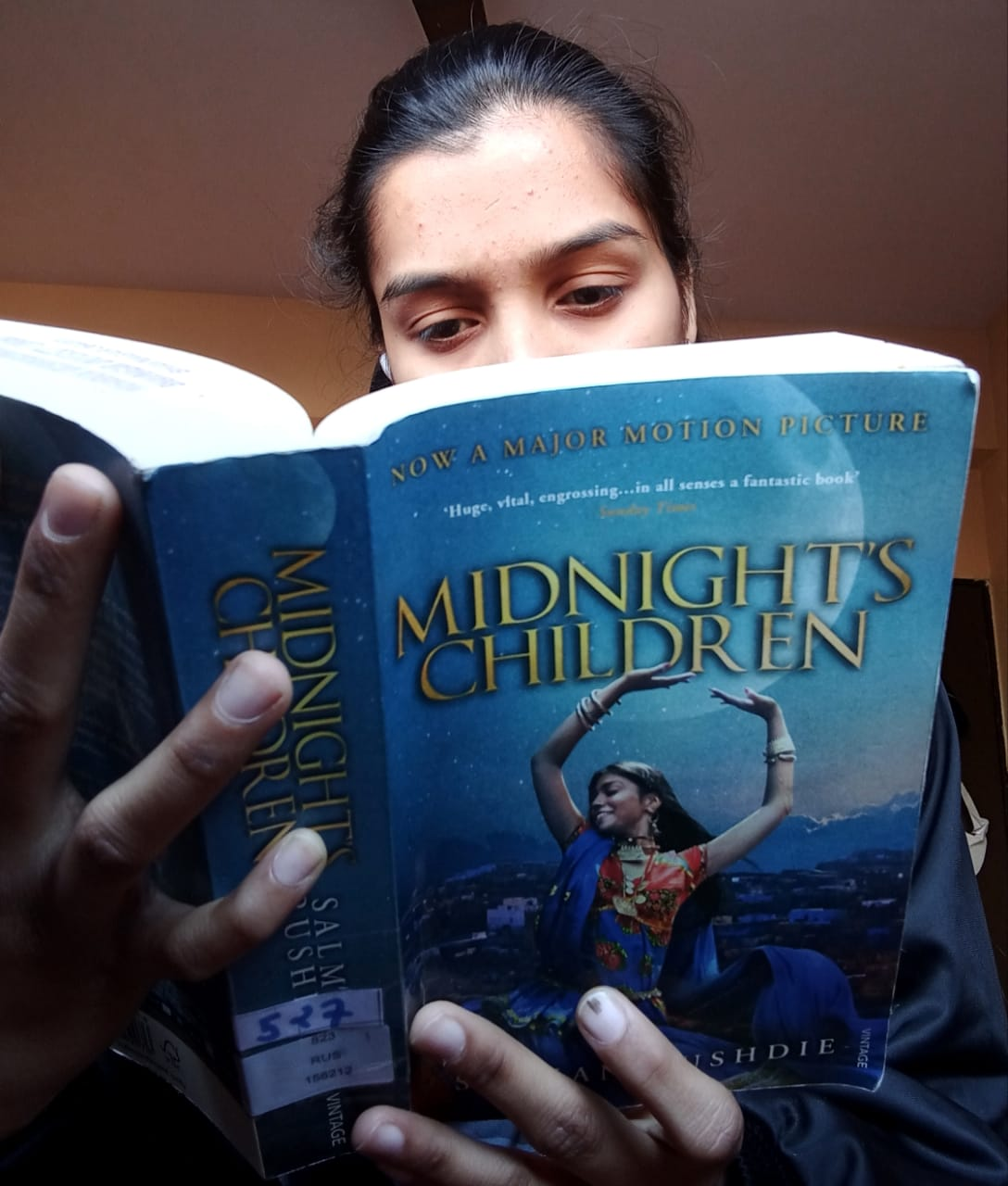
The film Midnight’s Children by Deepa Mehta is a loose adaptation of Salman Rushdie's novel of the same name. While the film does contain many of the major themes and events of the novel, Mehta takes significant liberties with the source material in terms of characterization, plot, and structure. For example, Mehta condenses and rearranges some of the novel's major events, changes the personalities and motivations of some of the characters and adds some new elements that are not present in the book. "Midnight's Children" takes significant liberties with the source material, it remains a powerful and compelling adaptation that captures the essence of Rushdie's novel while also exploring new themes and ideas.
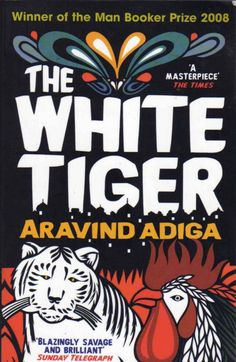
"The White Tiger" is a film by Ramin Baharani, an adaptation of the novel of the same name by Aravind Adiga. In terms of how faithful the adaptation is to the source material, it can be classified as a loose adaptation. While the film captures the essence of the novel and follows the main plot points, there are some notable differences between the two. For example, the film omits several scenes and characters from the book, and some of the events are presented differently. Additionally, the film makes some changes to the character's personalities and motivations, which can be seen as departures from the source material. Therefore, it can be said that "The White Tiger" is a loose adaptation that balances fidelity to the source material with creative changes that make it a compelling film in its own right.
When considering the form of a text, whether it be a novel or a film, it becomes evident that the change in medium does not diminish the inherent meaning of the original text. However, it is important to note that adapting a text to a new form does require some alterations to be made.
While a text can be easily reproduced in a new medium, it is important to recognize that the medium itself brings its own unique set of tools and elements to the table. For instance, a film director relies on visual and auditory elements such as lighting, music, and sound effects to enhance the storytelling. These elements, in turn, contribute their own meanings and nuances to the final product. Rather than viewing the limitations of a new form in adapting a source text, it is crucial to consider how the new form can offer a fresh perspective on the text. The new medium can be seen as an arrangement of elements that provide the potential for interpreting the text in a new and exciting way. In short, the form of a medium should not be seen as a hindrance in adapting a source text, but rather as an opportunity for exploration and interpretation. By embracing the unique qualities of a new medium, one can uncover new layers of meaning in a text and create a work of art that stands on its own.
When Midnight’s Children is Adapted into a film by Deepa Mehta. The novel and the film have some similarities in terms of their form, but also some differences. Both share a nonlinear narrative structure and magical realism, blending fantasy and real-world events. However, the novel is narrated in first-person by Saleem Sinai, allowing for a deeper exploration of his thoughts and feelings, while the film uses a third-person perspective that creates more distance between the audience and the characters. Additionally, the novel describes characters in detail, exploring their motivations and emotions, whereas the film relies more on visual cues to convey personality and motivation. These differences in form impact the audience's experience and understanding of the story. Despite these variations, both the novel and film of "Midnight's Children" offer a captivating story that blends history, fantasy, and human experience.
"The White Tiger" film adaptation by Ramin Baharani shares similarities and differences with the novel in terms of narrative structure and style. While both versions follow Balram Halwai's rise from servant to entrepreneur, the film uses a frame story of Balram writing emails to his former employer, offering a more contemporary form of storytelling. Nevertheless, both versions offer commentary on social inequalities and corruption in India. The film and novel share common themes of class struggle, social mobility, and corruption. Both versions have well-developed and complex characters, including Balram and his employers, who offer insights into the nature of power and corruption. The film introduces unique symbols and adapts certain events in a non-chronological order, commenting on the fragmented nature of modern life. The lighting and camera work captures the tone and mood of the novel, adding an extra layer of meaning. Overall, the film adaptation offers a unique interpretation that is faithful to the original work, reflecting contemporary Indian society. It offers a fresh perspective on the novel's themes and issues, making it an important contribution to Indian literature and film.
Narration is a fundamental element of storytelling, whether it is in a novel or a film. Although the forms of these media are distinct, they both revolve around the art of narration. When a filmmaker adapts a novel into a film, they often seek to differentiate themselves from the original text by employing different narrative techniques. The resulting change in the narrative style can offer a fresh perspective on the story, but it may also be met with resistance from fans of the original text. Narrative techniques are essential in conveying meaning to an audience. Filmmakers and novelists both use these techniques to create a narrative that resonates with their audience. However, filmmaking as a visual medium requires a different set of tools and techniques to create meaning compared to novel writing. As such, a filmmaker may choose to use different techniques to convey the same message as a novelist.
The point of view is an important aspect of the narrative technique. Filmmakers or novelists must decide how they want to convey their message to their audience, whether it be through a first-person, second-person, omniscient narrator, or an interior monologue. Each point of view has its own qualities, and the choice of point of view can fundamentally alter the angle of the story. Furthermore, the lighting, color, sound, and music of a film all contribute to the narrative. These elements can emphasize the emotions, the atmosphere, and the overall tone of the story. They can also influence the audience's understanding of the narrative and create a particular mood or feeling. Michael Ryan states in his book, An Introduction to Criticism Literature/ Film/ Culture, "Narrative filmmakers tell stories with meaning, much as novel writers do. But filmmaking is different because it is a visual medium that requires very different tools and techniques for creating meaning."
Narration is a powerful tool in fiction, and its strength can make or break a story. If the narrative of the original text is compelling, a filmmaker may choose to implement the same technique or use another technique of equal strength. Social, historical, and cultural contexts also influence the way a narrative is conveyed, adding another layer of complexity to the art of storytelling. The narrative technique is a vital component of storytelling, whether it is in a novel or a film. It is the tool that creators use to tell stories and convey meaning to their audience. While different media have distinct tools and techniques, the fundamental importance of narration remains the same.
One of the most significant changes in narrative style between the novel and the film, Midnight’s Children, is the use of voiceover narration. In the novel, the story is told entirely from Saleem's point of view, and his voice is the only one that we hear. This allows Rushdie to create a rich and complex inner world for Saleem, and to explore his thoughts, feelings, and memories in great detail. In the film, however, Mehta uses a variety of different narrative techniques to tell Saleem's story. While there is still some voiceover narration from Saleem i.e. Third person Omniscient narration, the film also includes scenes that are entirely visual, as well as dialogue between characters that are not directly related to Saleem's inner life. The novel uses a nonlinear narrative structure, jumping back and forth in time to create a more impressionistic and dreamlike atmosphere. In the film, however, Saleem's story is told chronologically, with occasional digressions into his memories of the past.
A notable change in the narrative style of The White Tiger, between the novel and the film, is the use of a framing device. In the novel, Balram tells his story in a series of letters addressed to the Chinese Premier, who is visiting India. In the film, this framing device is removed, and Balram's story is told in a more straightforward manner. Another significant change is the use of voiceover narration. In the novel, Balram's voice is the only one we hear, and he tells his story in a confessional and introspective tone. In the film, Balram's voiceover narration is more sparse, and other characters are given more dialogue and screen time to express their own perspectives.
Time is an essential characteristic of any literary text, and it can take on many different forms. In a novel, time can be one-dimensional, poly-dimensional, dynamic, or static. It can also be compressed or prolonged within the text, allowing the author to manipulate the narrative flow as desired. Unlike real-time, which flows linearly, literary time can be changed and manipulated by the narrator. This can be accomplished through techniques such as foreshadowing and flashbacks, which allow the narrator to move back and forth in time to tell the story. One of the key features of literary time is its temporal orientation. In a novel, time can change course, and events can be described in the past or present tense. Foreshadowing can also be used to give readers a glimpse of what is to come, adding an element of suspense and anticipation to the story. In many cases, the use of these techniques can create a sense of timelessness in the narrative, as events seem to occur simultaneously or out of order.
Continuation and direction are two essential features of literary time. The idea of before and after is central to our understanding of time, and these concepts are often used by authors to structure their narratives. By moving back and forth in time, or by compressing years of events into a few lines, authors can create a sense of continuity and direction that drives the story forward. In films, time and space are handled differently than in novels. Filmic time and space are recorded on celluloid and edited together to create a coherent narrative. Special effects and editing software can be used to manipulate time and space in ways that are impossible in a novel. However, the basic categories of philosophy, aesthetics, psychology, linguistics, and art still apply to both mediums. Ultimately, the manipulation of time and space is a key element of both literature and film. By controlling the pace of the narrative and creating a sense of continuity, authors and filmmakers can craft stories that are engaging and compelling. Whether compressing years of events into a few lines or using flashbacks to reveal important details, the manipulation of time is an essential tool in the writer's toolbox.
In both time and space between the novel "Midnight's Children" by Salman Rushdie and the film adaptation directed by Deepa Mehta, there are some changes. In terms of time, the novel covers a span of several decades, from Kashmir 1915 capturing the family background of protagonist Saleen Sinai the story of his grandparents to 14th August 1977. Hoevotably follows the same time in the novel but definitely neglects some of the events and focuses on a period of Saleem's life, primarily the events leading up to and following India's independence in 1977. Similarly, in terms of space, the novel and film both take place primarily in India, with significant portions set in Pakistan and Bangladesh.
When comparing the novel "The White Tiger" with its film adaptation, it is evident that there are some differences in the representation of time and space. In the novel, there is no specific time frame other than the year 2010 when Balram Halwai achieved success as an entrepreneur. However, Balram provides time references at the beginning or end of his letters, giving a sense of the passing of time. On the other hand, the film adaptation opens with a clear indication of time and place - "Delhi 2007" - providing a specific point of reference for the audience. Unlike the novel, the time references in the letters are not included in the film, which instead relies on visual cues to convey the passage of time. Regarding space, both the novel and film are set primarily in India, with Balram's journey from his rural village to the city of Delhi forming a significant part of the story. The film remains faithful to the novel in its depiction of India, with its bustling streets, crowded markets, and stark class divisions. Bahrani's film captures the essence of India's culture, traditions, and societal inequalities, much like Adiga's novel.